Forests
Forestry, plantations, agroforestry, nurseries and regeneration.
Explore capability →
FORLUMBER connects sustainable forestry with timber, engineered wood, mass-timber construction, industrial panels, biomaterials, circular wood and next-generation ForestTech.
Designed around the strongest global forest-products models: forest stewardship at the beginning, engineered materials and digital capabilities at the high-value end.
Forestry, plantations, agroforestry, nurseries and regeneration.
Logging, logs, timber trading and forest logistics.
Sawmills, lumber, structural timber and specialty wood.
Plywood, MDF, HDF, particleboard and OSB.
LVL, glulam, CLT, beams and joists.
Mass timber, modular construction and prefabrication.
Furniture boards, flooring, cladding, worktops and decorative surfaces.
Packaging, transport, formwork and industrial components.
Fibre, lignin, biocomposites and forest-derived chemicals.
Pellets, biomass, biofuels, renewable heat and power.
Recycling, reclaimed timber and wood-waste valorization.
AI forestry, drones, genetics, automation, digital forestry and advanced materials.
Our scope starts with responsible forest management, regeneration and timberland productivity, then connects raw material to modern sawmills, panels, engineered timber, construction systems and circular material flows.
That integrated model creates multiple value pools from the same renewable resource—from structural timber and furniture panels to bioenergy, lignin, fibre products and carbon-storing buildings.
Our approach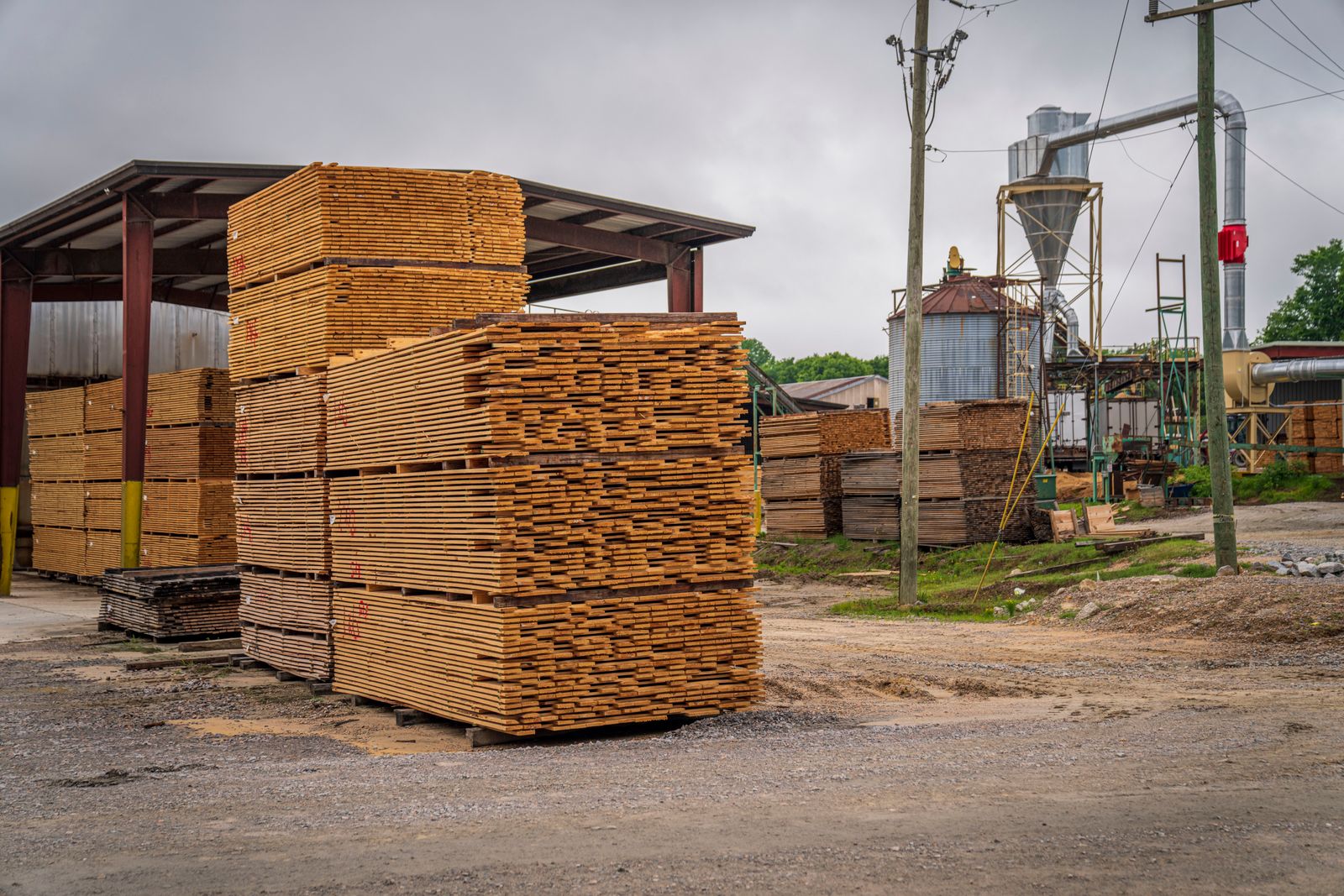
From timberlands and sawmills to construction, furniture, transport, packaging, energy and biomaterials.
The FORLUMBER model pairs materials with engineering, project support, sustainability data and circular solutions.
Produce timber while maintaining long-term forest productivity and biodiversity.
Replant and restore harvested forests with planned regeneration.
Use forest planning, remote data, apps and digital estate management.
Apply data-driven harvesting, thinning and productivity optimization.
Reduce soil, water and ecosystem impacts from harvesting.
Replace higher-embodied-carbon construction materials with structural timber where appropriate.
Use CLT, LVL and glulam structural systems for larger buildings.
Integrate walls, roofs, floors and sheathing systems.
Factory-produce building modules for faster site installation.


Priority research spans AI forestry, remote sensing, genetics, engineered wood, biorefineries, circular panels and low-carbon manufacturing.
Improved trees with better growth, resilience and timber quality.
Higher forest productivity and improved characteristics.
Better planting and regeneration techniques.
Improved seedling survival and early growth.
Reducing insect, wildlife and disease damage.
Forest-management systems adapted to changing climate conditions.
Discuss forestry, timber supply, engineered wood, industrial panels, mass timber, circularity or research collaboration.